
Table of contents
There is no single best peptide for testosterone. There is a spectrum of testosterone peptides, each acting at a different level of the hormonal axis that controls production, and the right one depends entirely on what you are solving for.
This is a data-first guide to the peptides for testosterone that are actually used in clinical and optimization settings, written for the reader who wants mechanism and honesty, not hype. Some of these genuinely help your body make more of its own testosterone, one is a libido tool that does not raise the hormone at all, and one is included specifically so you avoid it. Understand where each acts on the axis and the right choice becomes obvious. For how levels change over the decades, see our testosterone by age data.
Testosterone peptides at a glance
Do peptides actually increase testosterone?
This is the real question behind most searches for the best peptide to increase testosterone, and the honest answer is: some do, by a specific mechanism, and several popular ones do not. Peptides do not work like testosterone replacement therapy, which adds the finished hormone from outside. Instead, the useful ones send a signal somewhere along the hypothalamic-pituitary-gonadal (HPG) axis, the chain of command that runs from your brain to your testes, telling the body to make more of its own.
That distinction matters for two reasons. First, a peptide that stimulates your own production can help support fertility and testicular function in a way that testosterone alone does not. Second, it means the label "testosterone peptide" gets stretched to cover molecules that do very different things. Of the peptides discussed below, hCG is an established therapy for stimulating endogenous testosterone production in selected patients. Pulsatile gonadorelin and kisspeptin can stimulate the hypothalamic-pituitary-gonadal axis under specific clinical or research conditions, but they are not routine testosterone replacement therapies. PT-141 supports libido without raising the hormone, and LHRH agonists ultimately suppress it. The map is the whole point. For peptides aimed at other goals, see our guide to peptides for muscle growth.
Where each peptide acts on the axis
Testosterone production runs top-down through the HPG axis, a five-step chain of command from your brain to your testes. Each peptide plugs in at a different step, and that single fact explains its use case, its power, and its risk. Follow it from the top.
The hypothalamus sets the rhythm
Deep in the brain, the hypothalamus fires GnRH in rhythmic pulses every 90 to 120 minutes. This pulse is the genesis of the entire cascade, and its timing matters as much as its presence.
Each GnRH pulse calls the pituitary to act
The pulse is the message. Replicate that natural rhythm and you can reboot the whole system; flood it with a constant signal instead and the system paradoxically shuts down.
The pituitary releases LH and FSH
Responding to each GnRH pulse, the pituitary gland secretes luteinizing hormone (LH) and follicle-stimulating hormone (FSH) into the bloodstream. These are the hormones that carry the order onward.
LH and FSH travel to the testes
Carried through the blood, LH is the direct on-switch for testosterone synthesis, while FSH supports sperm production. This is the step where production is actually triggered.
The testes produce testosterone
The Leydig cells in the testes receive the LH signal and make testosterone, while maintaining testicular volume and sperm production. This is where the chemistry finally happens.
Testosterone and fertility
The end product the entire five-step axis exists to make. A peptide that works higher up the chain restores this output through your own machinery, rather than replacing the finished hormone the way TRT does.
PT-141 works on a separate pathway
PT-141 does not touch the five-step chain above. It acts on melanocortin receptors in the brain that drive arousal and desire, supporting sexual function rather than raising testosterone. It is grouped with testosterone peptides because it is often used alongside them, but mechanically it sits completely apart, which is why it is the one peptide here that will not change your levels.
The five testosterone peptides, compared
| Peptide | Acts on | Mechanism | Best for | Status |
|---|---|---|---|---|
| Gonadorelin GnRH analogue | Hypothalamus to pituitary signal | Pump-delivered pulses can restart the axis; routine injections do not | Diagnosed hypothalamic GnRH deficiency, highly specialized | Prescription |
| HCG LH mimetic | Testes (Leydig cells) | Mimics LH, directly stimulating testosterone production | Supporting intratesticular testosterone and spermatogenesis on TRT | Prescription |
| Kisspeptin Kiss1 | Above GnRH (the GnRH neurons) | Master switch that triggers the whole cascade; deepest upstream point | Diagnosis and investigational treatment of central low T | Investigational |
| PT-141 Bremelanotide | Brain melanocortin receptors | Central arousal pathway; supports libido, not testosterone directly | Low libido or sexual dysfunction, often alongside TRT | Rx, off-label in men |
| LHRH agonists Leuprolide, triptorelin | Pituitary GnRH receptors | Brief testosterone flare, then desensitizes and shuts the axis down | Specialist procedural use only, not optimization | Specialist |
Which testosterone peptide for which goal
The best peptide for testosterone depends entirely on the goal. Match the mechanism to what you are actually trying to do.
The five peptides, explained
Gonadorelin (GnRH)
Gonadorelin is the master regulator and the first domino. A synthetic version of the body's own GnRH, it signals the pituitary to release LH and FSH, which in turn drive the testes to make testosterone. The critical detail is its pulsatile nature: the body releases GnRH in bursts every 90 to 120 minutes, and a continuous stream paradoxically shuts production down. In rare cases of hypothalamic GnRH deficiency, pulsatile gonadorelin delivered by a portable infusion pump can restore LH, FSH, testosterone production, and fertility. This approach is highly specialized and differs from routine peptide injections: conventional subcutaneous or intramuscular gonadorelin does not reproduce physiological GnRH pulsatility and is not a standard treatment for hypogonadism.
Ideal candidate
- Diagnosed hypothalamic GnRH deficiency, under a specialist using pump-delivered pulsatile dosing
- Not a routine option for common secondary hypogonadism
How it compares
- Unlike TRT, it works through your own axis rather than suppressing it, but only in that narrow indication
- Works further upstream than hCG, though hCG is the established therapy for raising endogenous testosterone
HCG (Human Chorionic Gonadotropin)
HCG goes straight to the factory floor. It mimics LH, binding the receptors on the Leydig cells in the testes and commanding them to produce testosterone and hold their volume. By bypassing the brain and pituitary entirely, it delivers a reliable lift in the body's own production. hCG is commonly used to help preserve intratesticular testosterone and support spermatogenesis during testosterone therapy, and fertility can therefore be preserved, though it is not guaranteed, particularly on long-term TRT.
Ideal candidate
- Men on TRT seeking to help preserve intratesticular testosterone and support spermatogenesis
- Fertility-clinic patients restarting production before assisted reproduction
How it compares
- More direct than Gonadorelin, but does not restore brain-level signaling
- Effects appear fast, often within 2 to 4 weeks
Estradiol should be monitored during hCG therapy, because increased testosterone may increase aromatization. Hematocrit monitoring may also be appropriate depending on the clinical setting. Track it all against the full biomarker and biometric library.
Kisspeptin (Kiss1)
Kisspeptin sits one level above GnRH, acting as the conductor that cues the first domino. Produced in the hypothalamus, it directly activates the GnRH-producing neurons, triggering the cascade that ends in testosterone. Acute administration of kisspeptin increases LH secretion and may transiently increase testosterone in experimental studies, which also makes it a uniquely powerful diagnostic for confirming whether the entire axis works from the brain down. Its long-term therapeutic role remains under investigation.
Ideal candidate
- Complex or central hypogonadism, in research and advanced diagnostic settings
- Investigational use for low libido, where it has shown effects independent of testosterone
How it compares
- Even more upstream than Gonadorelin, addressing the neural control of the system
- Still largely investigational; long-term safety and efficacy are not yet established
PT-141 (Bremelanotide)
PT-141 takes an indirect route. Rather than stimulating hormone production, it binds melanocortin receptors in the hypothalamus to enhance arousal and sexual function, initiating desire from the brain rather than through the vascular pathway that drugs like Viagra use. PT-141 improves sexual desire through activation of central melanocortin receptors, but it has not been shown to increase testosterone production. It is grouped with testosterone peptides because it is often used alongside them, not because it changes the hormone.
Ideal candidate
- Men with low libido or psychological ED, even when testosterone is in range
- An adjunct to TRT when raised testosterone has not translated to desire
How it compares
- Works on demand and from the brain, effective when ED medications fail
- Supportive rather than a direct testosterone driver
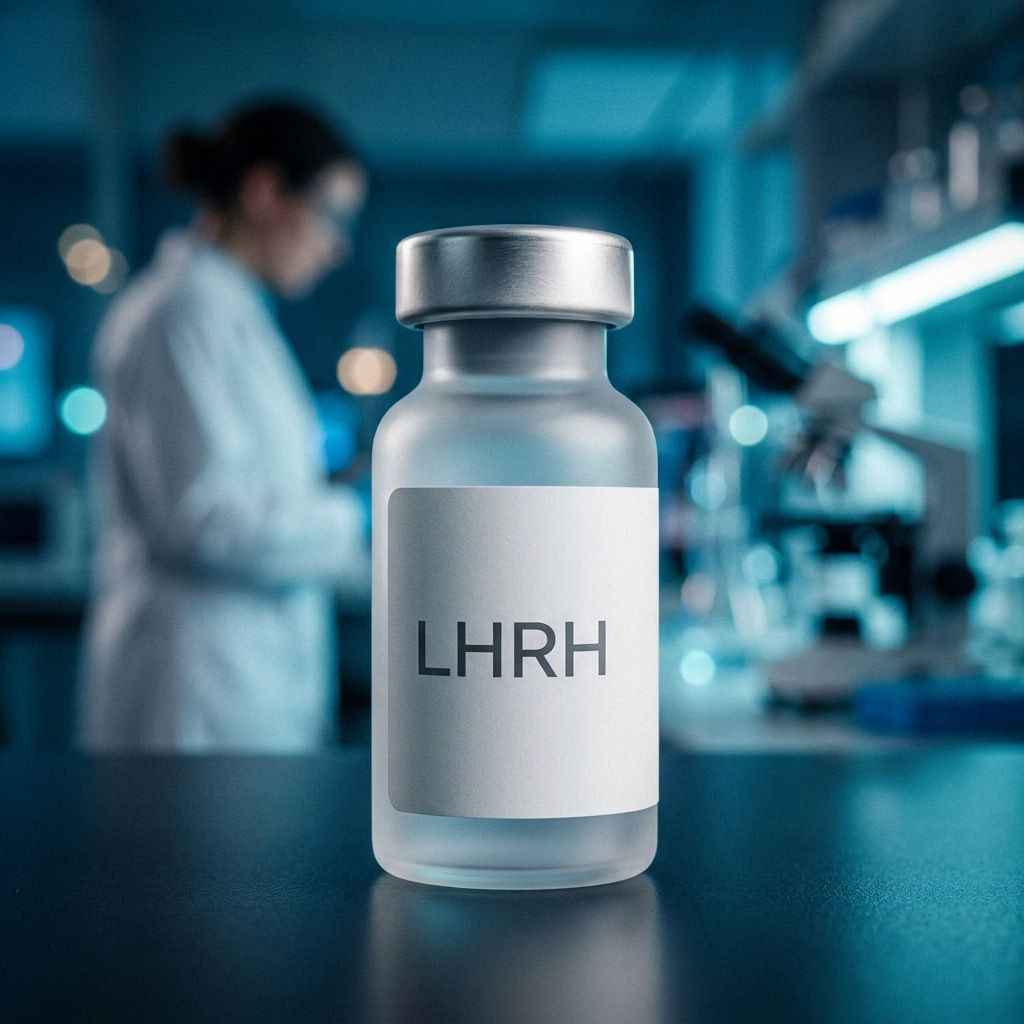
LHRH Agonists (Leuprolide, Triptorelin)
These synthetic peptides offer only a brief, paradoxical window for raising testosterone. Structurally similar to GnRH, they first overstimulate the pituitary receptors, producing a 7 to 14 day surge in LH, FSH, and testosterone. Then the continuous signal desensitizes those receptors, shuts the axis down, and drops testosterone to castrate levels. Their primary clinical use is in fact to suppress testosterone, so harnessing the initial flare is a narrow, specialist application, and the reason this peptide is on the list is so you know to avoid it for optimization.
Ideal candidate
- In men, primarily used to suppress testosterone in conditions such as prostate cancer
- Selected reproductive-medicine protocols, and testing pituitary reserve under a specialist
How it compares
- Opposite of pulsatile Gonadorelin: one spike, then shutdown
- Unsuitable for ongoing testosterone optimization by design
Data is the difference between a protocol and a guess
Every peptide above can disrupt the endocrine system, and none should be started without bloodwork. A full baseline panel tells you whether the problem is primary (the testes) or secondary (the brain signal), which is what decides the right peptide in the first place. Ongoing testing is the feedback loop that lets a clinician adjust the dose safely. These are the core markers to pull before and during any protocol.
Baseline and follow-up panel
Why it matters
A comprehensive hormone panel is the right starting point, and the same markers are what you re-check to confirm a peptide is working. For the wider longevity picture, our longevity blood test guide covers what else belongs in a baseline.
Build the system, not the guesswork.
Navigating testosterone peptides well takes a partner built around data. OneTwenty pairs comprehensive lab testing (Total T, Free T, SHBG, LH, FSH, Estradiol, and more) with continuous wearable data and clinician-supervised protocols that may include FDA-approved therapies and selected peptide treatments when clinically appropriate and legally available, including options like enclomiphene and sermorelin.
Get started with OneTwenty →Quarterly panels · wearable integration · clinician-supervised · $499/yr
Testosterone peptides FAQ
What is the best peptide to increase testosterone?
hCG has the strongest case. It is an established therapy for stimulating endogenous testosterone production in selected patients, working directly at the testes. Pulsatile gonadorelin can restore the axis, but only in diagnosed hypothalamic GnRH deficiency and only when delivered by a portable infusion pump, which is a highly specialized approach rather than a routine injection. Kisspeptin remains investigational. Which option fits depends on whether the problem is a missing brain signal or a testicular one, which is why baseline LH and FSH testing comes first.
Do peptides actually raise testosterone, or just libido?
Both, depending on the peptide. hCG is an established therapy for stimulating your own testosterone. Pulsatile gonadorelin and kisspeptin can stimulate the axis under specific clinical or research conditions, but neither is a routine testosterone therapy. PT-141 raises desire and arousal without changing the hormone. LHRH agonists raise it briefly, then suppress it. The word "testosterone peptide" covers all of these, so the mechanism matters more than the label.
Are testosterone peptides legal?
Gonadorelin, HCG, and PT-141 are available by prescription through licensed clinicians. Kisspeptin is investigational and confined to research settings. Buying any of them from a research-chemical site without a prescription is the gray market. See our guide to getting legal peptides online for how to vet a provider.
Peptides or TRT for low testosterone?
TRT adds the finished hormone and is simple and effective, but it suppresses your own production and fertility. hCG works by stimulating your own production, which is why it is often used to help preserve intratesticular testosterone and support spermatogenesis alongside TRT rather than as a straight replacement. Pulsatile gonadorelin is reserved for diagnosed GnRH deficiency. The right call depends on your labs and goals.
Can peptides support testosterone production long term?
hCG can support production over time under supervision, but it is not set-and-forget. It requires periodic bloodwork to confirm the axis is responding and to manage estradiol, and a clinician adjusts the dose based on those results. Pulsatile gonadorelin is limited to diagnosed GnRH deficiency and specialist care.
What is the safest way to start?
Baseline bloodwork and a qualified clinician, before any vial. The potential to disrupt your endocrine system is real, and a clinician interprets your labs, distinguishes primary from secondary low testosterone, designs a safe protocol, and manages side effects.
The question quietly upgrades itself. Not "what is the best peptide for testosterone," but "what is the best data-informed, medically supervised strategy for my biology." That shift, from chasing a magic bullet to building a system, is the whole game.
Sources & references
- Physiology of the hypothalamic-pituitary-gonadal axis and pulsatile GnRH signaling (the basis for gonadorelin), StatPearls, NCBI Bookshelf. ncbi.nlm.nih.gov
- Concomitant hCG preserves spermatogenesis and intratesticular testosterone in men on testosterone replacement therapy, peer-reviewed andrology study. pubmed.ncbi.nlm.nih.gov
- Kisspeptin-10 is a potent stimulator of LH and increases LH pulse frequency and testosterone in men. pubmed.ncbi.nlm.nih.gov
- Kisspeptin effects on sexual brain processing and arousal in men with low sexual desire, randomized clinical trial. pmc.ncbi.nlm.nih.gov
- VYLEESI (bremelanotide, PT-141) FDA prescribing information, including the melanocortin mechanism and blood-pressure effects. dailymed.nlm.nih.gov
- Leuprolide (GnRH agonist) initial testosterone flare, then receptor downregulation and suppression to castrate levels, StatPearls. ncbi.nlm.nih.gov
This article is educational and is not medical advice. Peptide and hormone therapies can disrupt the endocrine system and must be started and monitored by a licensed clinician using baseline and ongoing bloodwork. Availability and legal status of specific compounds vary and change over time.
Fact Checked
Dr. Mohammed A. Fouda, MD
Dr. Fouda is a Neurosurgery research scholar. His work focus primarily on Brain tumor behavior and quality of life of cancer patients as well as biomedical engineering and medical device innovation.

How OneTwenty Works
Not your average
Checkup.
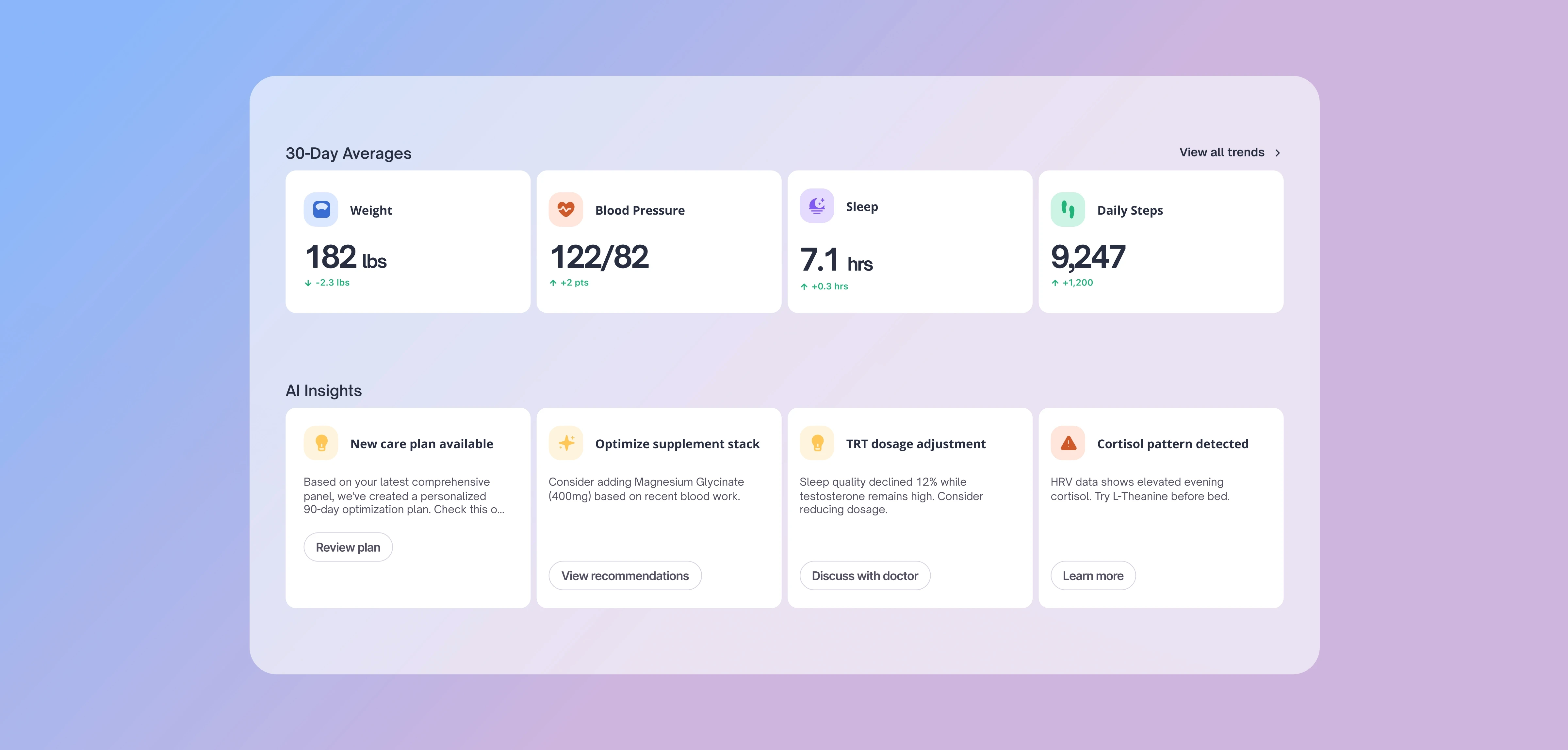
Every life stage brings new biological demands. Tracking the right metrics at the right time helps you adapt, optimize performance, and extend both lifespan and healthspan.
Your Annual Physical
Manual Data Processing
Guesswork Trend Detection
Once-a-year physical
Reactive, tested when sick
No data between visits
Once a year testing
Delayed Results
One-size dosing, set and forget
Real-Time Trend Insights
Daily smart-device data
Automated Data Sync
Quarterly Biomarker Tests
Optimal, personalized targets
Plain-language AI insights
Medications titrated to your data
Built to extend healthspan

Frequently Asked Questions
Clarity before
you commit
Answers on setup, scale, and support to remove blockers.